Understanding Unions: Why they exist?
From a Marxist perspective, we explore how universities reproduce existing power structures, & student unions become dangerous when they challenge ideology and link campus struggles with broader social injustices.
Team Subaltern
2/3/20267 min read
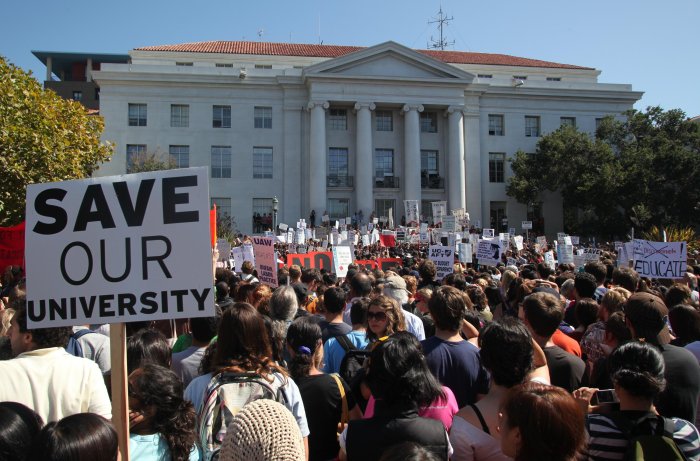
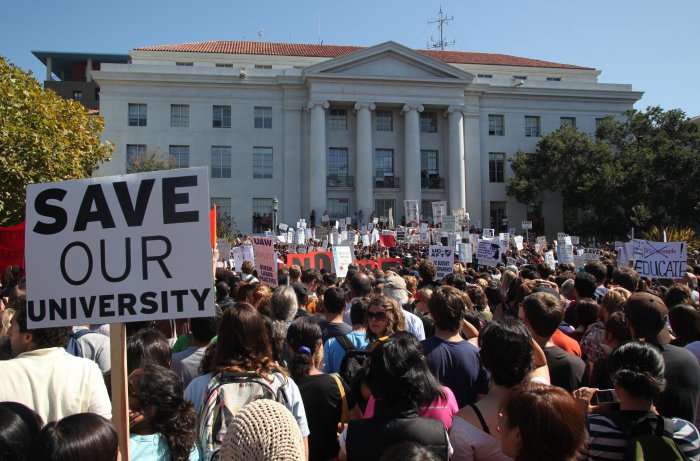
When The Youth Organizes, The State Trembles.
On college grounds from India to South Asia and beyond, student activism now draws police lines instead of ballot boxes. Meetings get watched closely, often interrupted. Suspensions follow quiet gatherings; expulsions rise after midnight discussions in shared rooms. Protest signs lead to court notices when young voices challenge authority openly. Officials speak of calm halls and focused study times to defend their tightening grip. Governments paint passionate youth as threats, linking slogans to sedition with little proof. Campus order takes priority, reshaping education spaces into zones of control. Free talk shrinks under watchful eyes claiming balance and routine matter most. Dissent gets labelled chaos just before the lights go out on debate.
It did not happen by chance. Across years of silencing student voices in Pakistan since the Zia-ul-Haq(Military Dictator of Pakistan during 1977-1988) era, right up to tighter controls now seen on Indian campuses, one trend stands out clearly. When student groups stay quiet on real issues, act like figureheads, or just plan gatherings, authorities allow them to exist. But once they speak up about injustice, challenge government actions, or stand alongside laborers, marginalized communities, or minority struggles, punishment follows fast.
The real force behind such control isn’t about loud sounds or mess. Instead, it stems from belief systems.
The Liberal Misreading: “Keep Politics Out of Campuses”
Far from being a distraction, some see student unions as vital parts of campus life - though others claim they drag debate where it doesn’t belong. Universities often get called sanctuaries for thought but contradictorily those same people want it to be a place where only study matters, shielded from public conflict when students go against their agenda. Behind closed doors, meetings frame activism as noise, something that breaks focus on grades and progress. Still, voices in newspapers and internal memos keep returning to this idea: keep politics out, let learning rule alone. Not just right-leaning writers push this view; left-inclined ones do too, repeating the line across articles and official notes.
Such views miss what universities actually do. Demanding that politics be removed? That act shapes power just like any law. Behind it lies a belief: current systems - budgets, rankings, course plans, who gets in, ties to industry - stand outside influence, as if shaped by weather, not choice.
Out here, ignoring student pushback pretends colleges float outside society's deeper divides. Fee hikes show up. Privatization creeps in. Discrimination blocks paths for those on the edges. Campuses teaming up with big corporations or defense projects? That’s politics breathing loud. Unions don’t bring conflict. They just stop it from hiding.
So here's how it works: wanting colleges to stay neutral doesn’t really protect learning - it quietly keeps things just as they are.
A Marxist View on Universities Shaping Ideology
Ideological State Apparatuses help explain what makes student unions seem dangerous. Not just laws or police keep order - colleges do too, quietly shaping how people think. His essay Ideology and Ideological State Apparatuses shows this subtle process at work. Later studies, some found through ERIC databases, build on that idea in educational settings. Universities aren’t neutral - they support existing power by normalizing it daily. When students organize, they disrupt routines meant to go unquestioned. That challenge is why such groups unsettle those in control. Learning spaces train minds as much as deliver knowledge. Resistance inside them threatens deeper structures. Power flows not only through force but repetition within places like classrooms.
Colleges aren’t just about teaching skills. Shaping people happens there too - turning out focused employees, driven competitors, obedient nationals, those ready to run businesses later on. Grading nudges belief in fairness, while neutral syllabi plus career-focused training quietly make unequal outcomes feel normal. Power stays where it is because the system treats hierarchy like air - invisible, necessary, unchangeable.
Looking at it one way, colleges aren’t just quiet classrooms - they’re where beliefs get quietly passed down. What seems like teaching often shapes how people see the world without saying so outright.
Out of nowhere, student unions and organizations stir things up. When you look at Marxist writings from student groups and leftist publications, they show how these organizations open doors for young people to examine power together, spot gaps in society's logic, sometimes even trace private hardships back to public systems. Rather than accepting college as just a ladder for oneself, such movements frame learning as something everyone deserves - woven into wider fights for fairness. That shift changes everything.
That's exactly what pushes the government to step in. Once belief systems start breaking down, force tends to take over.
Student Unions as Places of Break
Student unions endure not by mirroring state forms, unions are historically incorporated as instruments of managed negotiation, hence their continued existence in campuses like JNU and DU, but by contesting hegemony, breaking open common sense, and exposing ideology as a site of struggle. Seen through Marxist views on campus movements and past records, these groups shift colleges away from silent acceptance toward spaces where thinking happens together, doing follows.
Hostel rules spark meetings under trees, voices rising after midnight. Protest marches form when someone notices unfair treatment based on caste. Pamphlets appear overnight, stapled to walls near canteens, talking about who gets heard and who stays silent. Study groups gather in libraries, flipping through syllabi that seem to ignore whole histories. Fee increases bring crowds to admin offices, feet shuffling on cracked marble floors. Surveillance cameras go up, then students start mapping where they point. Gender-based harm slips into conversations during bus rides home. Each complaint ties back to systems few name aloud. What feels private links to patterns bigger than any one person.
Student unions connect campuses to communities, though few notice until tensions rise. Back in past decades, these groups stood beside labor strikes, independence uprisings, fights for equality, and efforts to block authoritarian takeovers. When classroom ideas meet street-level change, power structures tend to pay attention - sometimes with alarm.
Fear isn’t sparked by lone students - that doesn’t shake the system. What shakes it? When those same faces link arms, speak together, move as one.
Student Movements in History Opposing Imperialism and Fascism
When societies face deep unrest, young learners often step into the spotlight. Research into campus-led uprisings - like those seen across India’s past or echoed abroad - reveals a pattern few can ignore. Far from classrooms, these youth shift tides in fights against empire and tyranny. Moments of upheaval find them not waiting, but moving. As history shows, “the youth will decide the outcome of the whole struggle.” Their presence alters trajectories, quietly yet firmly shaping what comes next.
Out of classrooms in colonial India, young voices rose early with protests that later echoed across societies. When dictatorships tightened their grip - from Buenos Aires to Athens - it was campus groups who first refused silence. Standing firm, the Student Anti-Fascist Front took shape where fear spread fastest. Before streets filled with dissent, these networks had already drawn lines in chalk and courage. Where power twisted truth, learners became loudspeakers for what others would soon shout.
Years passed. Still, young people keep pushing back in Pakistan. Not because of chaos - officials claimed it was never about that - but to stop colleges turning into hubs where democracy could grow. That restriction started in 1984. Sources like The Diplomat and Wikipedia show how students stood firm through marches demanding old rights returned. Their actions say one thing clearly: being heard matters, even if slowly.
Bent rules often mark the start - student groups tend to face pressure early when power begins to tighten. Though quiet at first, the squeeze on campus voices shows up fast once control becomes the goal.
The Current Crisis of Monitoring and Bureaucratic Control
Nowadays, crackdowns come wrapped in quiet routines. Campus watch systems grow common, alongside strict behavior rules, protest permit hurdles, because layers of paperwork wear down activism. Officers walking dorm paths feel ordinary now, whereas college panels hand out penalties like courts minus oversight.
When students speak out, those in charge tend to call it chaos instead of concern. Power holders say they’re keeping order, yet line up with police logic every time. What looks like fairness from a distance turns into control up close. Trouble gets labeled dangerous just by showing up loud. Quiet decisions behind doors shape what counts as acceptable noise. Neutrality becomes a mask when actions match government scripts.
Meanwhile, colleges get reshaped by market logic, deepening existing problems. When colleges start acting like businesses, learners turn into customers instead of participants in learning. Unions then get painted as roadblocks - slowing down supposed progress. Under these conditions, collective action challenges not just dominant ideas but also those who benefit from them.
What you see isn’t accidental. A structure built to handle resistance will naturally watch - no need to name it politics. Quiet control grows where silence is mistaken for peace.
Alongside clear restrictions on student unions, a more subtle process has occurred on many campuses: the takeover of unions by right-wing groups. In several universities, organizations associated with the BJP, RSS, or ruling-party student factions like the TMCP have seized control of union structures and weakened them from within. Instead of serving as democratic platforms, these unions often become tools for intimidation, force, and administrative control, used to silence dissent rather than represent students. This decline is not a coincidence; it allows the state to point to "existing unions" while stripping them of their political significance. This situation leads to one unavoidable conclusion: unions alone cannot suffice. What we need are student organizations grounded in Marxist politics, capable of connecting the struggles within the college to those outside, as campuses are not separate spaces, but essential parts of society.
Student Unions Matter!
Fear isn’t sparked by worries about classrooms or grades. What stirs it? The quiet awareness - sometimes hidden, sometimes clear - that when students organize, power structures built on profit and control start to tremble.
Looking at these accounts together, it becomes clear that colleges do not float apart from social tensions. Instead, they sit right in the middle of who holds influence and who challenges it. When student groups step in, they shift things - turning learning into something charged with politics, shaping shared understandings, linking what happens on campus to wider fights for fairness. Also, students need to be politically aware they need to learn about political theory to understand this exploitative society.
Standing up for student unions isn’t just about protecting a college group. It means holding ground for questioning minds, shared decision-making, open dissent - where tomorrow’s norms take shape.
When pressure grows, student unions aren’t just add-ons people allow on good days. These groups form part of how democracy actually works - which explains why authorities often feel uneasy about them.
FIND US ON
SUBMIT your ARTICLES
Subscribe
Connect with us